Compare
Apollo vs Unitree G1
Quick verdict
Unitree G1 leads on 6 of 11 comparable rows
Apollo leads on Data Freshness, Payload, Manipulation, and Autonomy (+1 more). Unitree G1 leads on Readiness Score, Price, Countries, and Mobility (+2 more).
Who should choose which?
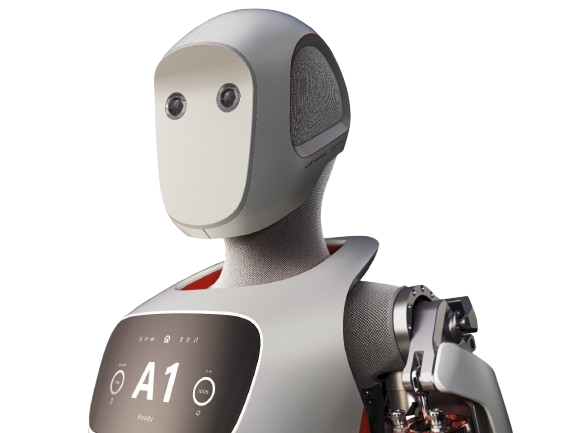
Choose Apollo if…
- Strengths like manipulation and mobility match how you plan to use it at home.
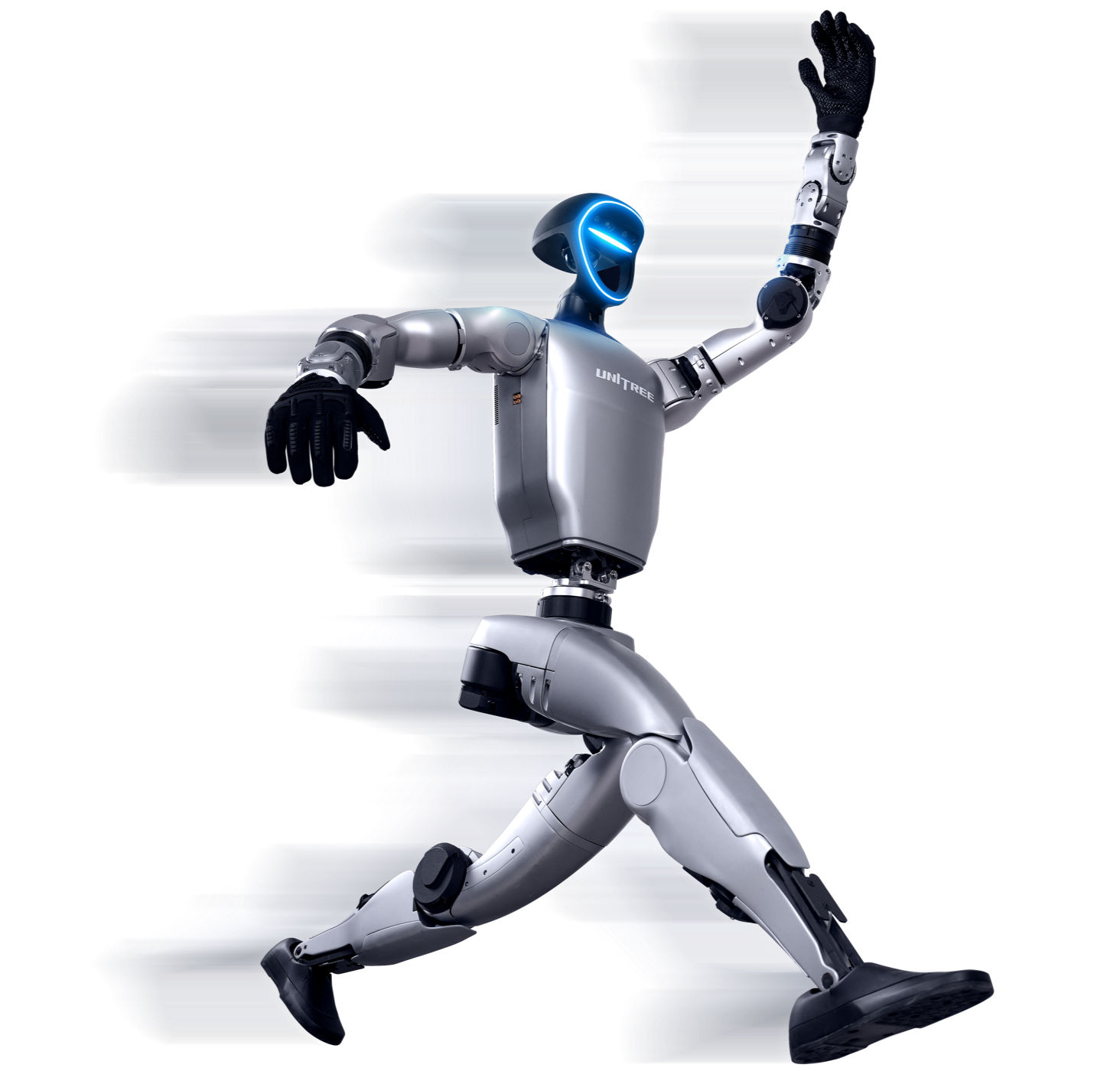
Choose Unitree G1 if…
- You want higher readiness (90/100 vs peers) for near-term home use.
- Budget is a priority and Unitree G1 lists lower ($13,500).
- You need a buy now path today while alternatives are still prototype or coming soon.
- Strengths like mobility and perception match how you plan to use it at home.
Scoreboard
- Unitree G1★wins 6
- Apollowins 5
Choose Apollo if…
- Strengths like manipulation and mobility match how you plan to use it at home.
Choose Unitree G1 if…
- You want higher readiness (90/100 vs peers) for near-term home use.
- Budget is a priority and Unitree G1 lists lower ($13,500).
- You need a buy now path today while alternatives are still prototype or coming soon.
- Strengths like mobility and perception match how you plan to use it at home.
| Performance | ||
|---|---|---|
| Readiness Score | 76 | 90 |
| Reality Score | 84 | 84 |
| Data Freshness | 100% | 85% |
| Speed | Unknown | 7 km/h |
| Payload | 25 kg | 2–3 kg |
| Specs | ||
| Height | 173 cm | 132 cm |
| Weight | 72.5 kg | 35 kg |
| Battery | Unknown | 2 h |
| Form | Humanoid | Humanoid |
| Availability | ||
| Price | $50,000+ | $13,500 |
| Market Status | Limited | Buy Now |
| Availability | Limited | Limited |
| Countries | United States, Germany | United States, China, Japan, Germany |
| Intelligence | ||
| Mobility | 80 | 92 |
| Manipulation | 86 | 78 |
| Perception | 78 | 80 |
| Autonomy | 68 | 65 |
| Social Interaction | 62 | 45 |
| Home Navigation | 55 | 70 |
| Sensors | Perception stack unpublished on Apollo 2 page; LED mouth, chest status display, speech | Depth camera + 3D LiDAR, IMU, 4-mic array |
| Connectivity | Wi-Fi, Ethernet, Fleet Connect APIs (typical) | Wi-Fi 6, Bluetooth 5.2, Ethernet (typical) |
| Ecosystem | Apollo 2 (bipedal or wheeled); Apptronik Artemis; Fleet Connect; Google DeepMind Gemini Robotics; Robot Park data collection; Hot-swappable battery packs; Enterprise pilot programs | Unitree SDK (EDU); ROS2 support; UnifoLM; Third-party teleoperation apps |
Green cells mark the stronger value in each row across 2 robots.